What Homeowners Should Do Before and After Tree Removal Metairie
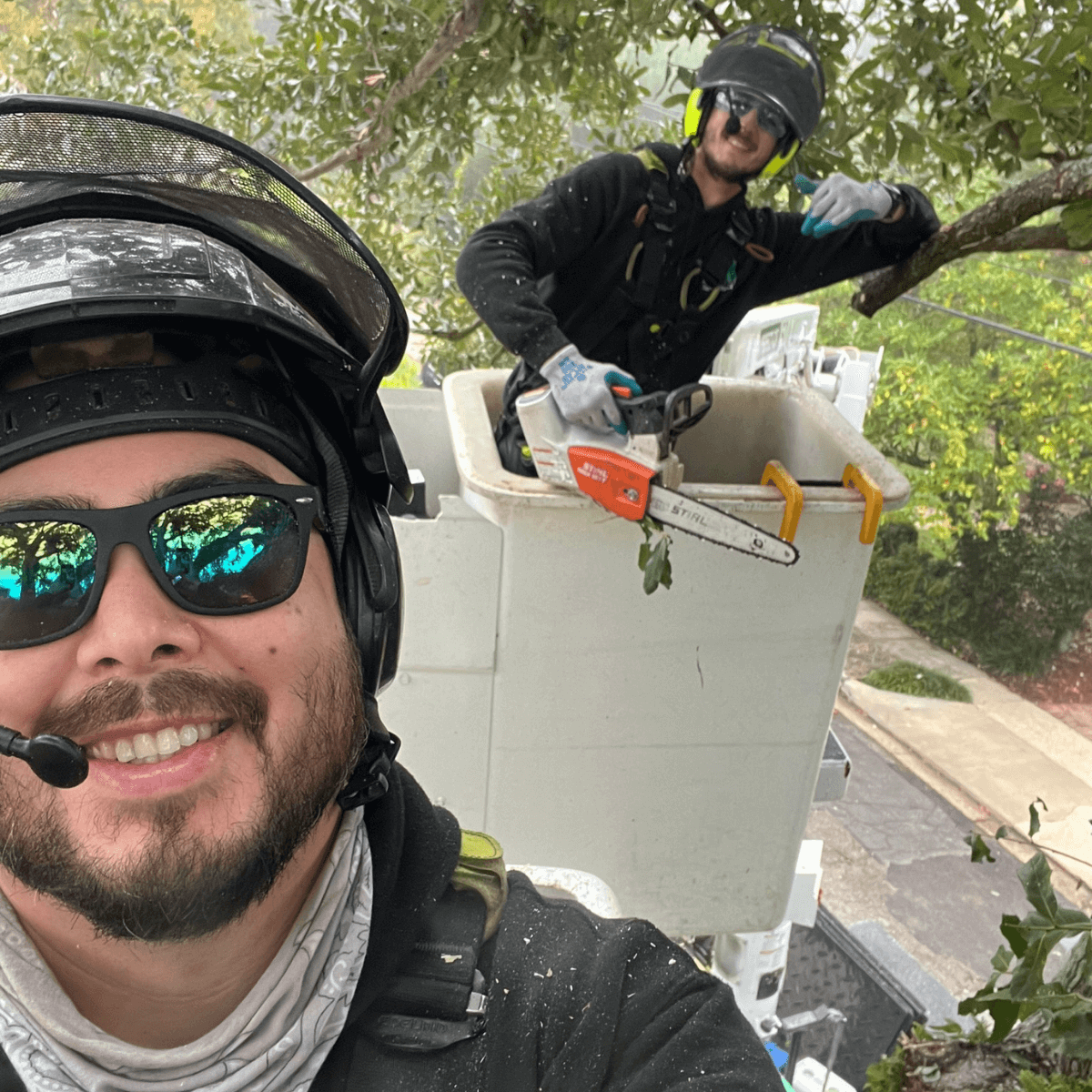
Tree removal is one of those home projects that sounds straightforward until you are standing in the yard looking at a mature oak leaning over a fence, a power line nearby, and roots running under the driveway. In Metairie, the decision often comes after a storm, a disease diagnosis, or years of watching a tree decline in a spot where it no longer fits. By the time a homeowner is calling for tree removal Metairie services, the job usually carries some urgency.
What happens before the crew arrives matters more than most people expect. The same goes for the hours, days, and weeks after the tree is gone. Good preparation protects your property, keeps the work moving safely, and prevents avoidable headaches with cleanup, irrigation, turf damage, and follow-up repairs. Good follow-through helps the yard recover instead of looking like a construction site for the next six months.
I have seen two homeowners on the same block remove similarly sized trees and have very different results. One had a smooth job because the yard was cleared, the access route was planned, and expectations about stump grinding and cleanup were settled in advance. The other assumed everything would “just be handled,” then spent the next week moving patio furniture out of the neighbor’s yard, dealing with a broken irrigation line, and discovering too late that “removal” did not include hauling away the larger trunk rounds. The difference was not luck. It was preparation.
Start with the right reason for removal
Before doing anything else, be clear on why the tree is coming down. That sounds obvious, but people often rush into removal after one fallen limb or one alarming opinion. Sometimes that urgency is justified. A split trunk, severe root damage, a tree shifting after heavy rain, or major limb failure over a roof are all serious concerns. In those cases, fast action is appropriate.
Other times, the issue is less immediate. The canopy may be thinning, the roots may be lifting part of a walkway, or the tree may simply be too close to a planned addition or pool. That still may justify removal, but the timeline and approach can be more deliberate. A good contractor will explain whether the tree is hazardous, declining, structurally compromised, or simply in conflict with the property layout.
This matters because the reason for removal affects the scope of work. A storm-damaged tree often requires more rigging and tighter safety controls. A dead tree can be brittle and unpredictable. A healthy but oversized tree in a difficult location may need more careful sectional removal to protect fences, roofs, and utility lines. You want the contractor pricing and planning the job based on the actual risk, not on a vague description over the phone.
Know what is being removed, and what is not
One of the most common misunderstandings in tree work is the assumption that every service includes the same package. “Tree removal” can mean cutting the tree down and hauling away debris, but it may or may not include stump grinding, hauling wood, raking small debris from beds, protecting turf with mats, or repairing damage to irrigation and hardscape.
Get specific before the scheduled date. If there is a stump, ask how low it will be cut or whether it will be ground out entirely. If the trunk is large, ask whether they are removing the rounds or leaving them stacked for firewood. If the tree hangs over a neighboring yard, ask who is handling cleanup on that side. If the equipment needs gate access, verify the minimum width required. I have seen jobs delayed because the opening was three inches too narrow for a compact loader.
In Metairie, where many lots are established, fenced, and landscaped, access can shape the entire operation. A front-yard removal with a clear driveway and open drop zone is a different job from a backyard removal behind a pool, with overhead utility lines and ornamental plantings. The more constraints you identify early, the fewer surprises show up on workday.
What to do in the week before the crew arrives
The best-prepared homeowners treat tree removal like any other serious exterior project. They think through access, protection, and communication. You do not need to overmanage the crew, but you do need to remove obstacles and make the site workable.
Here is the short version of what should be handled before tree removal Metairie crews show up:
- Move vehicles, trailers, and anything parked near the work zone or access route.
- Clear patio furniture, planters, grills, toys, and fragile yard décor from nearby areas.
- Mark irrigation heads, invisible dog fences, septic components, and any landscape lighting.
- Notify close neighbors if branches may swing over a fence line or if equipment will affect shared access.
- Confirm exactly what cleanup, stump work, and debris hauling are included in writing.
That list may seem basic, but every item on it solves a real problem. I have watched crews lose an hour because a homeowner forgot to move a car and left the keys at work. I have seen nice ceramic planters broken because they sat just outside what the owner thought was the danger zone. A tree being dismantled in sections does not simply fall straight down. Limbs are swung, lowered, dragged, chipped, and loaded. Debris has a way of reaching farther than you think.
Marking underground systems is especially important. Sprinkler heads are easy to damage even when a crew is careful. Low-voltage lighting wire can be shallow and nearly invisible. If there is a hidden drain line carrying water away from the house, say so. A five-minute conversation before work starts can prevent a repair call later.
Access changes the job more than homeowners realize
Most homeowners focus on the tree itself. Professionals often focus first on how they will reach it, where they will stage equipment, and how they will remove debris without tearing up the property. That is not because they are avoiding the hard part. It is because access determines the hard part.
In older Metairie neighborhoods, the distance between a side fence and the house can be tight. Gates may sag. Decorative pavers may not support heavier equipment. Overhead service lines can limit where a crane or bucket truck can safely position. Even the timing of the job matters. If the ground is saturated after several days of rain, a machine that normally leaves minor tracks can rut the yard badly.
This is where homeowners can help by giving accurate information. If your backyard gate only opens to 36 inches, say so. If the driveway cracked last year and you are worried about heavy loads, bring it up before the estimate becomes a contract. If your property has a French drain under the lawn, tell them where it runs. The best crews ask these questions, but a homeowner who shares details early almost always gets a better plan.
Talk to your neighbors before they have to talk to you
Tree work is noisy, visible, and often stressful for people living nearby. A quick heads-up to the neighbor on each side, and the one behind if branches extend that far, goes a long way. You do not need to apologize for necessary work, but you should be courteous.
Tell them the day and rough time window. Mention whether trucks may temporarily affect street parking. If there is any chance of workers needing to retrieve cut branches or debris from the other side of a fence, say that clearly and ask for access permission ahead of time. Most neighbor disputes around tree removal are not about the tree itself. They are about surprise, inconvenience, or a sense that someone acted first and explained later.
One homeowner I know in an older Metairie subdivision had a smooth removal partly because she walked next door the evening before and explained that the crew would be lowering limbs near the shared fence. The neighbor moved two potted citrus trees and unlocked the back gate. That small conversation prevented damage and tension.
Utility lines, permits, and practical caution
Homeowners do not need to become tree law experts overnight, but they should know enough to ask the right questions. If the tree is tangled with service lines running to the home, do not assume a standard removal crew can simply “work around it.” Utility-related work can require coordination and special precautions. The same goes for trees close to transformers, street lines, or public rights-of-way.
tree removal metairiePermitting rules vary by municipality, and they can change. A reputable local contractor should know whether there are requirements tied to location, tree size, protected species, or public property boundaries. It is smart to ask directly instead of relying on assumptions. If the trunk is near the sidewalk, drainage servitude, or street, clarify where your property line ends and public space begins.
This is also the moment to think about pets and children. A work zone should not become a spectator event. Keep pets indoors or securely away from the access route. Children are naturally curious about chainsaws, climbing gear, chippers, and cranes. Curiosity and tree work do not mix well.
What to expect on removal day
Even a well-run job has moments that look chaotic to a homeowner. There will be noise, sawdust, and movement. Branches may be rigged and lowered in pieces. Workers may move quickly and speak in short signals. That is normal. Good tree crews often look efficient to the point of seeming rushed, but their speed usually comes from coordination rather than carelessness.
If you work from home, plan around the noise. Chainsaws and chippers do not pair well with conference calls. If you have regular deliveries, reschedule them if possible. If you need access to your driveway at a certain time, say so before the job starts, not halfway through when a truck is loaded and blocking the exit.
Once the crew arrives, let the job foreman walk the site with you. Confirm the tree, the access route, the staging area, and any specific concerns such as a delicate camellia bed, a recently repaired fence section, or the location of a shallow drain line. After that, give them room to work. Stay available for questions, but do not hover in the drop zone.
The stump question deserves a real answer
A lot of homeowners treat the stump like an afterthought until the tree is gone and a broad, awkward base remains in the middle of the yard. At that point, the stump becomes the main thing you see. Whether to grind it immediately depends on how you plan to use the area.
If the tree stood in open turf and you want a clean lawn, stump grinding is usually worth doing at the same time or soon after. If the area will become a mulched bed, a decorative feature, or part of a larger landscape renovation, you have more flexibility. What matters is understanding that stump grinding creates a sizable volume of wood chips mixed with soil. That material settles and decomposes over time. It is not the same as finished topsoil, and it usually needs topping off if you intend to re-sod or plant grass there.
There is also a difference between grinding and full root removal. Grinding handles the visible stump and some upper roots, but it does not excavate every root across the yard. That is usually fine for residential needs. Full root extraction is far more disruptive and is generally reserved for construction or utility conflicts.
The first 24 hours after removal
Once the crew leaves, most homeowners look at the empty space and notice two things at once. The property feels larger, and the yard feels unsettled. Both reactions are normal. A mature tree shapes light, privacy, drainage, and the way you move through a space. Its absence changes the microclimate immediately.
Walk the area carefully after the work is done. Do not do it during active cutting or while equipment is still moving. When the site is clear, inspect the lawn, nearby beds, and any structures close to the tree. Check fences for scrape marks, irrigation zones for obvious breaks, and gates for alignment tree removal metairie if equipment passed through them.
Use this simple post-removal checklist:
- Confirm debris has been removed as agreed, including larger wood if hauling was included.
- Test irrigation in the affected zone and look for broken heads or lines.
- Water stressed lawn areas lightly if the soil was disturbed, but do not create mud.
- Photograph the site for your records before starting repairs or replanting.
- Ask for guidance on stump settling, backfill needs, and when to replant near the old root zone.
That fourth point is more useful than it sounds. Good photos give you a reference if turf damage worsens, if a hidden irrigation issue appears later, or if you decide to bring in a landscaper a month from now and need to show how the site looked right after the removal.
Turf damage and soil compaction are common, not always careless
A lot of homeowners assume that any rut or flattened grass means the crew did sloppy work. Sometimes that is true. Often it is just the reality of moving heavy wood and machinery across soft ground. Even with plywood, mats, or careful routing, some lawn impact is hard to avoid, especially after wet weather.
The key question is whether the damage is superficial or structural. Flattened grass usually recovers. Deep ruts, compacted soil, or churned-up root zones need repair. If the crew used a loader or skid steer in a backyard, expect at least some disturbance where turns were made or loads were staged. Those areas may need loosening, leveling, and re-sodding.
Compaction matters because it affects drainage and root health for nearby plants. A bed that drained well before may start holding water. Turf may thin because roots cannot breathe properly in compressed soil. If the removed tree stood close to valued shrubs or ornamentals, keep an eye on them for several weeks. Their conditions have changed too. More sun and heat may hit leaves that were once shaded. Water needs may shift, but avoid overcorrecting. A shrub stressed by sudden exposure can suffer as much from overwatering as from dryness.
Watch how water behaves after the tree is gone
Large trees intercept rain, pull moisture from the ground, and anchor soil with extensive roots. Once the tree is removed, the yard may handle water differently. Sometimes the change is subtle. Sometimes it is obvious after the next hard rain.
If the removed tree sat in a low area, the old root flare may leave a depression after stump grinding and settling. Water can collect there. If the canopy used to shield part of the yard, you may notice heavier splash erosion in beds during storms. If roots had been competing heavily with turf, grass may suddenly grow better, but only if the soil remains stable and receives enough light.
This is why I usually tell homeowners not to rush their final landscaping decision the same day the tree comes down. Watch the spot through at least one or two rain events if you can. Let the site reveal what it wants. Some areas are perfect for re-sodding. Others are better converted to a bed with improved soil and proper edging. Occasionally, the best move is to leave the area alone for a few weeks and see how much settling occurs before spending money twice.
Replanting deserves patience and better placement
Removing one tree often leads homeowners to ask what should replace it. That is the right instinct, especially if shade, privacy, or long-term property value matters to you. But replacement should be smarter than simply putting a new tree where the old one stood.
The old root zone can complicate planting. Grinding residue may still be decomposing. The soil profile may be uneven, and major roots may still occupy the area. Planting too close to the former stump often gives a young tree a poor start. It is usually better to shift the location, improve the planting soil only as appropriate, and choose a species with mature size in mind.
That last part matters in Metairie. Plenty of tree problems begin not with neglect, but with a tree outgrowing the space it was given. A species that eventually spreads over a roof, lifts a walk, or crowds utility lines may look charming at six feet tall and become a removal candidate twenty years later. The best replacement decisions account for mature canopy width, root behavior, hurricane resilience, maintenance needs, and the light pattern of the property.
Budget for the hidden follow-up work
The invoice for removal is not always the full cost of the project. Homeowners should expect some level of post-removal spending, especially if the tree was mature or access was difficult. That might include stump grinding, topsoil, sod repair, irrigation repairs, fence touch-up, drainage correction, or landscape redesign.
This does not mean tree removal Metairie work is prone to nickel-and-diming. It means the tree was part of a living system, and removing it changes more than the skyline. A well-planned budget accounts for restoring the site, not just clearing the tree. In my experience, homeowners who set aside even a modest follow-up amount make better decisions because they are not forced to ignore obvious repairs after the main bill is paid.
When to call the contractor back
A good company should leave the site in the condition promised, but not every issue appears immediately. Call back if you notice irrigation failures, overlooked debris, a stump ground less than agreed, or damage that clearly relates to the work. Be specific. Photos help. Calm, prompt communication gets better results than waiting three weeks and opening with anger.
At the same time, be fair about what belongs to the removal and what does not. If a shaded patch of St. Augustine reacts poorly two weeks later because it is suddenly baking in full sun, that is not necessarily a workmanship problem. It is part of the landscape adjustment after losing canopy cover. If you are not sure, ask. An experienced contractor can often tell the difference between site disturbance and normal post-removal change.
A removed tree leaves a decision behind
Once the work is done, the real question becomes what you want that part of the property to do next. Do you want open lawn, a better-draining side yard, room for a future project, or another tree placed with more foresight? The answer should shape every decision from stump grinding depth to soil amendment to replacement planting.
Tree removal is not just subtraction. It is a reset point. Handled well, it can solve a hazard, improve light, protect the home, and create a more usable yard. Handled casually, it can leave compaction, drainage problems, and a bare patch that lingers for a season or more.
Homeowners who prepare before the crew arrives, confirm the scope clearly, and pay close attention after the work is finished almost always come out ahead. The tree may be gone, but the property still needs stewardship. That is what turns a necessary removal into a clean transition rather than a lingering mess.
A Perfect Cut Tree Service
4725 Shores Dr, Metairie, LA 70006
+1 504-732-0779
FAQ About tree removal metairie
What is the average cost of tree removal in my area?
There is no single price that fits every tree. Size, condition, access, nearby structures, equipment, debris hauling and stump work affect the estimate. Request a written, site-specific quote that identifies what is included.
Who will remove trees for free?
Free removal is not generally available for ordinary private-property tree work. Utilities or public agencies may handle trees within their responsibilities. Confirm eligibility directly and do not assume that an offer or assistance program covers your tree.
Can I just cut down a tree in my yard?
Check ownership, location and local requirements first. Jefferson Parish requires a permit for removal of qualifying vegetation in the public right-of-way, and additional protections may apply in designated areas. Ask the parish about your property and have a qualified tree professional assess the work.