Tree Removal Metairie: How to Spot a Hazardous Tree Early
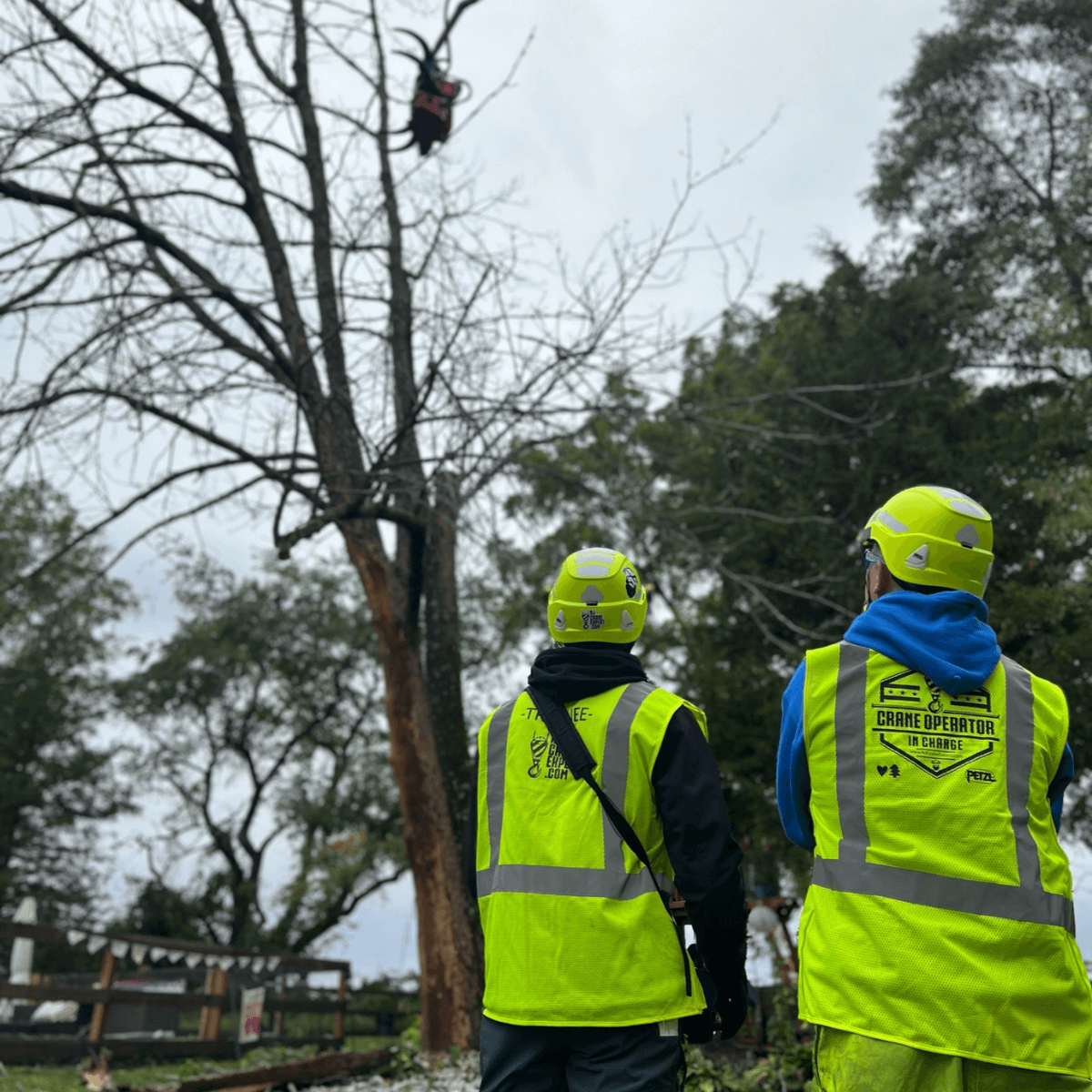
A tree rarely fails without leaving clues first. The problem is that many of those clues are easy to miss until a branch comes down in a driveway, a trunk splits over a roof, or a root plate lifts after a hard rain. In Metairie, where long growing seasons, heavy humidity, compacted suburban soils, and hurricane weather all shape how trees age, early warning signs matter more than most homeowners realize.
A healthy mature tree adds shade, privacy, stormwater benefits, and real character to a property. A hazardous tree can do the opposite in a single afternoon. The challenge is judgment. Not every leaning tree is dangerous. Not every cavity means removal. At the same time, some trees look fine from the street and are much weaker than they appear.
When people start searching for tree removal Metairie services, it is often after a storm or when a tree already looks obviously distressed. That is usually later than ideal. The best time to assess a tree is before it becomes urgent, while there are still options beyond emergency removal and before nearby structures, vehicles, or people are in the path of failure.
Why hazardous trees get missed
Most homeowners look up and focus on the canopy. That makes sense because broken limbs are visible and dramatic. But structural problems often begin lower, in the root zone, at the trunk flare, or where major limbs join the main stem. The tree may still leaf out normally and cast deep shade, which creates false confidence.
Trees also decline slowly enough that people normalize the changes. A patch of thinning leaves one summer becomes more thinning the next. A crack at the branch union appears small, so it gets ignored. Mushrooms pop up near the base after a rainy spell and seem harmless. Then one strong wind event turns a manageable issue into a high-risk emergency.
In south Louisiana, the weather compresses that timeline. Saturated soil weakens root hold. Gust fronts from thunderstorms exploit hidden decay. Salt-laden air and repeated stress can compound old wounds. It does not take a named storm to bring down a compromised tree.
The first place to look is the ground
If I am evaluating a tree for safety, I do not start with the crown. I start at the base and work up. The root system tells a more honest story than the leaves do.
Look at the soil around the trunk. Fresh heaving, cracking, or mounding on one side can indicate root plate movement. That is especially concerning after prolonged rain, because roots may already be losing their grip. If a tree seems to have shifted recently, do not wait for another storm to see what happens.
Pay attention to the trunk flare, the widened base where the tree enters the soil. A healthy flare is usually visible. If it is buried under added soil, decorative rock, or piled mulch, the tree may have developed girdling roots or moisture-related decay. I have seen trees that looked robust from the driveway but had soft, compromised bark right at grade because the base stayed wet under thick mulch for years.
Fungal growth at or near the base deserves attention. Not every mushroom means the tree is failing, but fungal conks, shelf fungi, or recurring fruiting bodies on the trunk or root area often point to internal decay. Once decay reaches structural roots or the lower stem, the tree’s ability to resist wind drops sharply.
Lean is not always new, but new lean matters
A leaning tree worries people, and sometimes it should. The key question is whether the lean is longstanding and compensated for, or whether it has changed. Many trees grow with a slight lean and build wood in a way that balances the load. Those trees can remain stable for years.
A sudden increase in lean is different. If you can see exposed roots on the side opposite the lean, cracked soil, or lifting turf, assume the root system may be failing. That is not a wait-and-see situation in a climate like Metairie’s, where a summer thunderstorm can produce enough wind to finish what the roots already started.
Lean also matters in context. A mild lean over open lawn may present far less practical risk than a similar lean over a bedroom, sidewalk, or power service drop. Hazard is not just about the tree’s condition. It is about the target below it.
Cracks, seams, and split unions deserve respect
One of the most underestimated signs of danger is a vertical crack in the trunk or a major scaffold limb. Trees can tolerate a surprising amount of hollowing in some cases, but active cracks tell you the wood fibers are separating under load. That is structural failure in progress, not cosmetic damage.
Codominant stems, where two large leaders grow side by side from the same point, are common in older landscape trees. If bark is pinched between them, called included bark, the union may be much weaker than it looks. These stems often split apart during storms because they never formed a strong, interlocking attachment.
You may notice a seam that looks slightly raised, bark that appears to be bulging, or a narrow line that deepens over time. Sometimes there is a little oozing or dark staining. Those are signs worth professional evaluation, especially when the tree overhangs a house or parked vehicles.
The canopy often reveals stress before failure
While the lower structure tells you about stability, the canopy tells you about vitality. A tree under serious stress often sends visible signals months or years before it dies back enough for everyone to notice.
A normal seasonal leaf drop is one thing. Uneven thinning, bare tips during the growing season, undersized leaves, or a branch that never leafs out are another. Deadwood in the upper crown is especially significant in mature trees. It can indicate root stress, disease, lightning damage, or internal dysfunction that is reducing the tree’s ability to support large limbs.
In Metairie, heat and moisture can mask decline for a while. Some trees keep producing enough foliage to look presentable from a distance even while decay advances inside. That is why canopy symptoms should be considered along with what is happening at the trunk and roots, not on their own.
Storm damage is not always obvious the next day
After a tropical system or a severe thunderstorm, most people notice the dramatic problems first, hanging limbs, a split branch, debris on the lawn. Hidden damage is easier to miss. A limb may twist at its attachment without fully breaking. A trunk may develop a fresh crack on the backside. Roots may tear underground while the tree remains standing for the moment.
I have seen large limbs fail weeks after a storm because the original damage was internal. The bark stayed mostly intact, so the wound did not look urgent. Then the next windy afternoon finished it off.
If a tree took a hard hit, inspect it again after the yard is cleaned up and the obvious mess is gone. Walk all the way around it. Look upward from several angles. If the canopy now sits asymmetrically or one side sags lower than before, that change matters.
Common local factors that make trees more vulnerable
Metairie’s built environment creates a particular set of stresses. Trees often grow in smaller front yards, narrow side lots, and strips between pavement and structures. That limits root space. Add utility conflicts, soil compaction from parking or construction, and poor drainage in low spots, and even a once-healthy tree can lose resilience.
Live oaks tend to age gracefully when they have room, but poor pruning and restricted rooting can create weak limb architecture. Water oaks can grow quickly and provide substantial shade, yet they are often less durable with age than homeowners expect. Ornamental species planted too close to houses or fences may outgrow their site and develop awkward, overextended limbs. Pines can become high-risk quickly when root systems are compromised, because they may fail with less visible warning than broadleaf trees.
Termites do not usually kill healthy trees outright, but in our region they often show up where decay is already present. Carpenter ants, wood-boring insects, and fungal decay organisms also exploit stressed wood. Their presence does not always identify the primary cause, but it often confirms that a structural problem is underway.
Not every damaged tree needs to come down
This is where experience matters. A cavity does not automatically equal removal. A lean is not always an emergency. A dead branch may be solved with pruning if the rest of the tree is structurally sound. Good arboricultural judgment separates manageable defects from unacceptable risk.
I have seen older oaks with substantial hollows remain serviceable for years because the decay was compartmentalized and the wall thickness was still adequate. I have also seen trees with only modest visible symptoms turn out to have extensive internal rot at a critical union. The decision depends on species, size, defect location, occupancy under the tree, site exposure, and how much sound wood remains.
That is why early assessment is so useful. Once a crack opens wide, roots start lifting, or a main stem begins to fail, your options narrow fast. Before that point, selective pruning, cabling in some cases, weight reduction, soil care, or simply monitoring may extend the tree’s safe life.
A practical homeowner check, done from the ground
You do not need specialized tools to spot several important warning signs. What you do need is consistency. Checking a tree once every couple of years is less useful than noticing what changed since last season.
Use this quick ground-level review after heavy rain, after storms, and at least once during the active growing season:
- Look at the base for new fungal growth, soft bark, cracks in the soil, or root lifting.
- Step back and compare the tree’s current lean and canopy shape to how it normally looks.
- Scan major branch unions for splits, deep seams, or bark squeezed between large stems.
- Notice dead limbs, sparse leafing, or a section of canopy that is lagging behind the rest.
- Check what the tree could hit if it failed, such as the roof, driveway, service line, or sidewalk.
That short review will not replace a trained inspection, but it often catches the sort of changes that homeowners otherwise overlook.
Situations that call for a professional sooner rather than later
Some conditions move a tree from “watch it” to “have it assessed now.” That does not always mean immediate removal, but it does mean the tree should not be ignored.
The most urgent cases usually include:
- A new or worsening lean, especially with soil movement at the base
- A visible crack in the trunk or a major limb attachment
- Large dead branches over a house, street, or commonly used area
- Repeated limb drop from the same section of the canopy
- Decay, fungal conks, or hollowing at the trunk base
When those conditions exist, postponing the decision often raises both risk and cost. Planned work is almost always simpler than emergency work.
The timing of removal affects safety and price
Homeowners often ask whether they should wait until a tree is clearly dying before scheduling work. From a safety and cost standpoint, that is usually the wrong move. A tree that is deteriorating near a structure becomes more unpredictable and more difficult to remove cleanly. Climbing may be less safe. Rigging options may be limited. Equipment access may need to be more controlled. All of that adds complexity.
By contrast, a tree removed before severe failure often allows for a more controlled job. The crew can dismantle it methodically, protect surrounding landscaping, and avoid the premium that comes with emergency response after a storm. If you are already considering tree removal Metairie professionals for a tree with obvious defects, it is worth acting before the next stretch of volatile weather arrives.
There is also the issue of collateral damage. A branch that falls onto a fence is inconvenient. A trunk that lands on a roof during a storm can expose the interior of the house to water, disrupt power, and create insurance headaches that outlast the tree itself.
Pruning mistakes can create the hazard you are trying to avoid
Some hazardous trees began as healthy trees that were pruned badly. Topping is one of the worst examples. When a mature tree is topped, it responds with fast, weakly attached regrowth. Those shoots can become heavy enough to fail in just a few years, particularly after storm stress.
Over-thinning can be nearly as harmful. It shifts wind load in ways many homeowners do not expect, and it can trigger sunscald on limbs that were previously shaded. Removing too much live canopy also drains the tree’s reserves, making it harder to compartmentalize decay and recover from stress.
Even well-meant clearance cuts can go too far. If a branch is rubbing the roof, the right answer might be selective reduction by someone who understands branch unions and weight distribution, not an aggressive cut that leaves a long stub or a large wound in the wrong place.
Trees near utilities and structures require extra judgment
Any tree that can reach a service drop, transformer line, or roof edge deserves a more conservative risk threshold. The margin for error is smaller. Limbs that would be a nuisance in open space become serious hazards when they can tear electrical service from a home or punch through shingles.
The same is true for trees near driveways in neighborhoods where vehicles are parked outside year-round. A single dead limb over a parked car may not sound dramatic, but branch strikes happen far more often than whole-tree failures. Most damage claims I hear about involve limbs, not trunks.
Side yards can be particularly deceptive. Trees there are often less visible in daily life, so defects go unnoticed longer. Yet those confined spaces can be hard to access once removal becomes necessary. A small problem in an awkward location can turn into a more expensive operation simply because equipment and rigging options are limited.
What a careful inspection usually considers
A proper tree risk evaluation is part biology, part structural assessment, and part site analysis. The inspector is looking at species traits, age class, wound history, pruning history, root conditions, trunk defects, branch architecture, and the occupancy of whatever lies within striking distance.
That last point is important. Risk is the combination of likelihood and consequence. A decayed tree deep in an unused back corner is not the same as a decayed tree over a child’s bedroom. The physical defect may be similar, but the practical urgency is not.
In some cases, the outcome is straightforward. The tree has advanced decay in a critical area, a target-rich location, and poor long-term prospects. Removal is the responsible recommendation. In other cases, the better answer may be pruning, monitoring, or reducing site stress to preserve a tree that still has useful life left.
A few signs people commonly dismiss
There are a handful of warning signs I see homeowners wave off because the tree is still green. Green does not mean structurally sound.
Dark, wet-looking streaks on bark can signal internal decay or bacterial activity. Large patches of missing bark may expose dead wood beneath. Epicormic shoots, those small shoots sprouting along the trunk or major limbs, can indicate stress when they appear suddenly on a mature tree. Repeated small branch drop during calm weather is another one. Trees sometimes “self-prune,” but frequent drop in summer heat can also reflect decline.
Then there is the old wound that “has always been there.” That phrase can be misleading. tree removal metairie A wound may have been stable for years, then begin to expand after a run of wet seasons or after root disturbance from nearby work. Old damage is not harmless just because it is familiar.
If construction happened nearby, pay close attention
One of the fastest ways to destabilize a mature tree is to disturb its roots. New driveways, patio work, trenching for drainage, fencing, pool installation, and foundation repairs can all cut or compact roots. The tree may not react immediately. Sometimes the decline shows up a year or two later as canopy thinning, dieback, or loss of stability.
This is common in established neighborhoods where renovation is frequent. A homeowner improves the property, then wonders why a large shade tree starts looking rough two summers later. The answer is often underground. By the time symptoms appear, the structural root loss has already happened.
If a tree has been through nearby excavation and now shows any of the warning signs described above, the threshold for concern should be lower.
The value of acting early
Early action is not only about preventing catastrophe. It preserves options, protects budgets, and sometimes saves a tree that would otherwise decline beyond recovery. Hazard management is at its best when it is quiet and preventive, not reactive.
For homeowners in Metairie, that means treating trees as living structures that deserve periodic review, especially before hurricane season and after major weather events. If you notice changes at the base, cracks in the trunk, deadwood overhead, or a lean that looks different from last year, trust that instinct and get the tree evaluated.
A tree can shade a home for decades and still become unsafe long before it stops looking like a tree. Spotting the warning signs early is what turns a crisis into a manageable decision. When removal is necessary, making that call before failure is usually the safest path for the property, the people around it, and the crews who will eventually do the work.
A Perfect Cut Tree Service
4725 Shores Dr, Metairie, LA 70006
+1 504-732-0779
FAQ About tree removal metairie
What is the average cost of tree removal in my area?
There is no single price that fits every tree. Size, condition, access, nearby structures, equipment, debris hauling and stump work affect the estimate. Request a written, site-specific quote that identifies what is included.
Who will remove trees for free?
Free removal is not generally available for ordinary private-property tree work. Utilities or public agencies may handle trees within their responsibilities. Confirm eligibility directly and do not assume that an offer or assistance program covers your tree.
Can I just cut down a tree in my yard?
Check ownership, location and local requirements first. Jefferson Parish requires a permit for removal of qualifying vegetation in the public right-of-way, and additional protections may apply in designated areas. Ask the parish about your property and have a qualified tree professional assess the work.