How Tree Removal Metairie Services Address Storm Cleanup Quickly

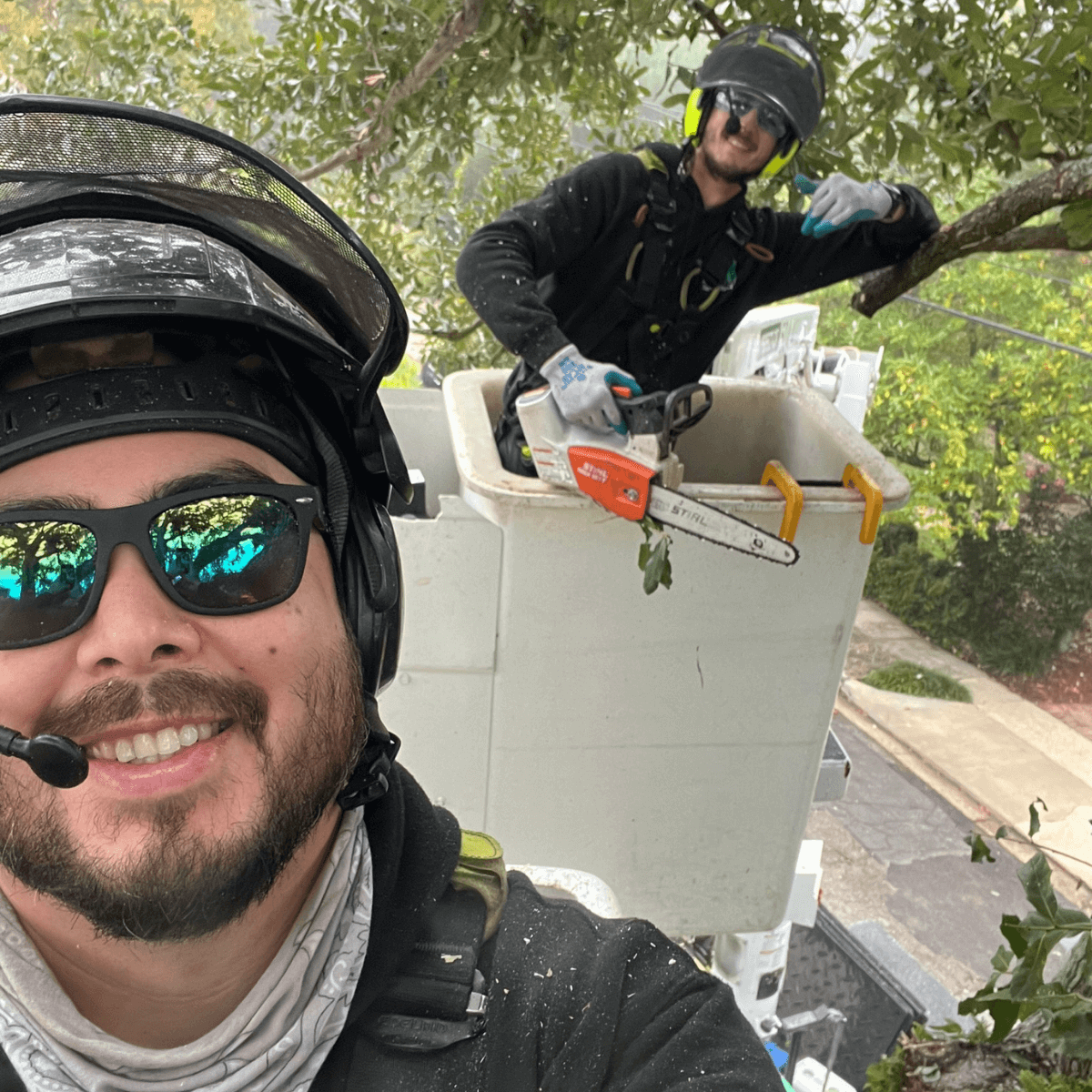

Storm damage in Metairie rarely arrives in a tidy, manageable way. It usually shows up all at once, with standing water at the curb, shingles in the yard, and tree limbs where they were never supposed to be. Sometimes it is a live oak split through the center after saturated soil gave way. Sometimes it is a pine leaning over a driveway, hung up in power lines and one hard gust away from causing a second round of damage. In those moments, speed matters, but so does judgment.
That is where experienced tree crews earn their keep. Fast storm cleanup is not just about chainsaws and dump trailers. It depends on triage, safety planning, local familiarity, the right equipment, and a crew that knows how to clear a site without making a bad situation worse. Homeowners searching for tree removal Metairie services after a storm often need help immediately, but the best companies are not guessing their way through the work. They follow a sequence that balances urgency with control.
Why storm cleanup becomes a race against time
After a major storm, tree damage creates more than a visual mess. A fallen limb can block emergency access, crush a fence, puncture a roof, or pin down utility service. Even when the tree is technically stable, hidden stress cracks and root failure can turn a standing tree into a delayed hazard. In South Louisiana, that risk is amplified by soft, wet ground. Trees that survive the initial wind can still topple hours or days later as the root plate loosens.
There is also the issue of access. Once streets fill with debris and driveways become obstructed, every delay adds friction to the recovery process. Roofing contractors cannot stage materials. Electricians cannot reach panels. Insurance adjusters cannot safely inspect the property. A capable storm cleanup crew understands that tree removal is often the first move that allows every other repair to begin.
I have seen properties where the visible damage looked minor from the street, but one walk into the backyard told the real story. A large branch had twisted off, landed across a detached garage, and left another section suspended overhead like a loaded spring. From a distance, it looked like a simple cut-and-haul job. Up close, it was clear that one careless cut could have dropped thousands of pounds onto the structure. Quick response matters, but quick without skill is a liability.
The first hours after the storm are about triage
The best crews do not arrive and start cutting at random. They assess the site and decide what poses the greatest immediate danger. In practice, that usually means identifying trees or limbs that threaten life, utilities, structures, or access routes. A limb resting on a shed can wait a little longer than a trunk pressing against service lines or a tree blocking a roadway.
A practical triage process often looks like this:
- Secure the site and identify live electrical hazards.
- Clear paths needed for emergency access and safe movement.
- Stabilize or remove trees that could cause secondary collapse.
- Document visible damage for the property owner before major cutting begins.
- Separate urgent removals from debris hauling and cosmetic cleanup.
That order is one reason professional storm cleanup moves efficiently. It is not just labor, it is prioritization. A seasoned foreman can look at a scene and know whether the first piece to move is the trunk, the crown, or the debris under tension. That kind of judgment saves time because it prevents rework and avoids preventable accidents.
What makes Metairie storm tree work different
Tree work in Metairie is not identical to tree work in drier or less densely built areas. The properties are often close together, utility lines are common, drainage conditions vary from block to block, and many neighborhoods have mature trees with broad canopies over roofs, driveways, patios, and fences. Those factors shape how storm cleanup happens.
A live oak that has spread over two property lines is not something a crew can simply drop in one piece. It may require sectional dismantling with rigging to protect neighboring structures. Saturated ground can limit the use of heavy equipment, especially in backyards where a skid steer would rut the lawn or damage underground irrigation. Narrow side yards can make crane access difficult, which means crews may rely more heavily on climbing, aerial lifts, and controlled lowering systems.
This is one reason local experience matters when homeowners search for tree removal Metairie companies. A crew familiar with the area understands the tree species, common storm failure patterns, municipal access realities, and the practical headaches that come with older neighborhoods. They know that a tree leaning toward a carport in dry weather is one problem, but the same tree after two days of rain is a different one entirely.
Speed comes from preparation, not rushing
The public tends to picture emergency tree removal as raw hustle. Certainly, there is hard physical work involved, and a reputable company will often work long days after a storm. But what really creates speed is preparation. A crew that has the right saws sharpened, rigging inspected, fuel stocked, trailers ready, and communication systems in place can move fast without becoming reckless.
Storm response teams usually gain efficiency from a few key habits:
- Dispatching estimator and crew roles separately when volume is high
- Pre-positioning chippers, loaders, and dump trucks before the weather event
- Carrying tarps, cones, plywood, and basic stabilization materials
- Using photo documentation and digital work orders to reduce delays
- Routing crews by neighborhood to cut travel time between jobs
Those are small operational details, but they matter. During widespread storm recovery, travel and staging can consume more time than the actual cutting if a company is disorganized. Well-run firms think ahead. They know that the first day after landfall is often a logistics problem as much as a tree problem.
Safety determines whether “fast” is actually helpful
There is a dangerous myth in storm cleanup that urgency excuses shortcuts. It does not. In fact, storm-damaged trees are among the most unpredictable situations in arborist work. Wood fibers may be partially split but still carrying load. Limbs may be suspended under compression or tension. Root plates can shift unexpectedly. A tree can appear settled and then roll or kick when one piece is removed.
That is why professionals start with hazard recognition. If power lines are involved, utility coordination comes first. If a tree is resting on a house, crews need to know what part of the structure is bearing weight and whether cuts will transfer force somewhere else. If the ground is unstable, equipment placement becomes critical.
This is not the glamorous side of the work, but it is the part that separates experienced crews from opportunists who appear after every major storm with a pickup, a saw, and more confidence than skill. Homeowners under stress are vulnerable to quick promises. The safer choice is a company that explains what they are seeing, identifies the risks clearly, and resists the urge to improvise around serious hazards.
How crews remove storm-damaged trees without causing more damage
Every storm tree is different, but the basic goal is consistent: reduce weight, control movement, and protect what can still be saved. Sometimes that means lifting pressure off a roof by removing upper limbs first. Sometimes it means piecing down a standing trunk that has lost root support. In a wide-open yard, mechanical equipment may speed up the process. In tighter settings, hand rigging often does the delicate work.
A large limb on a roof is a good example. The instinct from the ground might be to cut near the break and pull it free. That can be the worst option if the branch is twisted into the structure or carrying hidden load. A smarter crew may remove smaller sections first, establish tie-in points, and lower each cut piece in a controlled manner. It takes more skill, but often less time overall because it avoids collapse, extra repair damage, and drawn-out cleanup.
There are also situations where full removal is not the immediate objective. If a tree is partially uprooted but not yet on a structure, a crew might stabilize the area and remove the threat in phases while coordinating with the homeowner, insurer, or utility. Quick action does not always mean one-visit completion. It means making the property safer as efficiently as conditions allow.
Debris hauling is more complicated than it looks
Once the obvious danger is gone, homeowners often assume the rest is simple cleanup. In reality, tree removal metairie debris handling can become the longest part of the job, especially after neighborhood-wide storm damage. Wet wood is heavy. Large sections may need to be cut down further for safe loading. Access paths may need protection to prevent rutting. Stumps, root balls, and tangled crowns can slow production dramatically.
A strong storm cleanup service plans for material flow. That means deciding what gets chipped, what gets hauled as logs, what can be stacked temporarily, and what should remain on site until access improves. If the property has fencing, decorative hardscaping, or saturated turf, debris removal may need to happen in stages to avoid creating new repair bills.
On some jobs, homeowners ask whether keeping firewood or mulch will reduce cost. Sometimes it can, but only if the site and tree species make that practical. After a storm, most people simply want the mess gone and the property usable again. The crew that clears, loads, and hauls efficiently often provides more relief than the one that only cuts quickly.
Insurance concerns shape the cleanup process
Storm cleanup often overlaps with an insurance claim, and that changes how a careful company documents the work. Homeowners are usually stressed, short on sleep, and unsure what to photograph before the tree is removed. A reputable crew helps by capturing the condition of the tree, its point of failure, the damaged structures, and the state of the site before major debris movement.
That documentation matters because insurers may distinguish between the cost to remove a tree from a covered structure and the cost to haul away unrelated debris from the yard. Policies vary, and tree coverage is not always generous. No ethical contractor should promise what an insurer will pay, but an organized one can provide clear invoices, photos, and scope descriptions that make the homeowner’s claim process smoother.
It also helps when the company can separate emergency mitigation from full restoration. Removing a tree from a roof today is not the same task as grinding the stump next week, pruning nearby damaged trees next month, and regrading the yard later. Breaking those phases out clearly can prevent confusion and help the owner decide what must happen immediately versus what can wait.
The difference between emergency response and proper arboriculture
A storm changes priorities, but it should not erase standards. There is a tendency after severe weather to treat every damaged tree as a total loss. Sometimes that is correct. A split trunk, major root plate failure, or heavy structural compromise often leaves little room for recovery. But not every damaged tree needs to be removed.
An experienced arborist or tree service supervisor will often distinguish between salvageable canopy damage and structural failure. A tree that lost one large limb may still be a candidate for corrective pruning and long-term monitoring. Another tree that appears only lightly tilted may in fact have severe root damage and poor prospects for survival. This is where practical knowledge matters more than guesswork.
Homeowners sometimes regret hasty decisions made in the first 48 hours after a storm. I have seen mature shade trees removed when selective pruning would have restored a safe structure. I have also seen trees left standing out of sentiment when the root system had already failed. The best tree removal Metairie providers can move quickly in emergencies without losing that professional judgment.
What homeowners can do before the crew arrives
Storm cleanup is primarily the contractor’s job, but there are a few things property owners can do to make the response faster and safer. The most important step is to stay clear of damaged trees and treat downed limbs near wires as energized. Beyond that, simple preparation helps crews begin work without delay.
If conditions are safe, homeowners can take a few practical steps:
- Photograph damage from multiple angles before debris is moved
- Mark property lines or irrigation heads if they are not obvious
- Move vehicles away from the work zone if access remains open
- Keep children and pets indoors during cutting and hauling
- Gather any prior tree records or recent pruning history if available
Those small efforts can save time and reduce misunderstandings. They also give the crew a cleaner starting point, which matters when tree removal metairie the schedule is packed and daylight is limited.
Why equipment matters, but only in the right hands
Storm cleanup companies often advertise cranes, bucket trucks, grapple loaders, and stump grinders. That equipment is valuable, but it is not the whole story. A crane can shorten a difficult removal dramatically, especially when a tree is suspended over a house. A grapple truck can clear massive brush piles faster than hand loading ever could. A compact loader can save a crew hours of dragging heavy wood across a yard.
Still, equipment only helps when it matches the site. On a narrow lot with overhead conflicts, a bucket truck may not reach the working angle needed. On saturated turf, a heavy machine can turn a simple cleanup into a drainage problem. On properties with limited gate width, even an efficient loader may be useless unless crews lay ground protection and create a proper path.
The best operators treat equipment as a tool, not a gimmick. They know when to bring more machine and when to bring more finesse.
Preventive work has a direct effect on post-storm recovery
One of the clearest patterns after storm season is how often neglected trees create the worst cleanup jobs. Deadwood that should have been removed months earlier becomes projectiles. Overextended limbs with poor attachment points split under wind load. Dense, unthinned canopies catch more wind than they should. Codominant stems that were never reduced or braced finally fail.
Preventive pruning does not make a property storm-proof, but it does reduce the odds of catastrophic failure. It also makes post-storm response easier. A tree with a sound structure is more predictable to assess and safer to work on. A property with clear access lanes, pruned clearance from the roof, and documented maintenance history is easier to restore after bad weather.
That is the quieter side of the tree care business, and it does not get the same attention as emergency removals. But in practice, the fastest storm cleanups often happen at properties where the trees were managed properly before the forecast ever turned serious.
Choosing a service when everyone is calling at once
After a major storm, phone lines jam and inboxes fill quickly. Homeowners may need to call more than one company, but there are still signs of professionalism worth watching for. Clear communication is one. Realistic timing is another. Anyone who guarantees immediate arrival in the middle of a region-wide emergency deserves extra scrutiny. So does anyone asking for large cash payments before explaining scope, liability coverage, or basic safety concerns.
A good emergency response company usually communicates in plain terms. They explain whether your job is same-day hazardous removal, next-day priority cleanup, or non-emergency scheduling. They identify what they can do now versus what should wait for utility clearance, dry conditions, or insurance review. They do not oversell certainty when the site conditions are still changing.
That steadiness is often what people remember most. Storm cleanup is stressful, noisy, and expensive. The crews who handle it best bring a sense of order to a property that feels chaotic. They remove danger first, preserve what can be saved, and leave the owner with a site that is not just cleaner, but genuinely safer.
When fast cleanup is done right
Quick storm response is not about dramatic before-and-after photos. It is about restoring access, reducing risk, and helping a household move from emergency mode into recovery. In a place like Metairie, where storms can turn ordinary yards into complex hazard zones in a single night, that work requires more than manpower. It requires local knowledge, disciplined safety habits, and the ability to make good decisions under pressure.
That is why homeowners looking for tree removal Metairie help after severe weather should focus on more than speed alone. The companies that truly address storm cleanup quickly are the ones that know what to cut first, what to leave alone until it is safe, and how to move from crisis response to full site restoration without wasting time or creating new damage. Fast, in this field, is not frantic. Fast is prepared, controlled, and done by people who have seen what storms can do and know exactly how to answer back.
A Perfect Cut Tree Service
4725 Shores Dr, Metairie, LA 70006
+1 504-732-0779
FAQ About tree removal metairie
What is the average cost of tree removal in my area?
There is no single price that fits every tree. Size, condition, access, nearby structures, equipment, debris hauling and stump work affect the estimate. Request a written, site-specific quote that identifies what is included.
Who will remove trees for free?
Free removal is not generally available for ordinary private-property tree work. Utilities or public agencies may handle trees within their responsibilities. Confirm eligibility directly and do not assume that an offer or assistance program covers your tree.
Can I just cut down a tree in my yard?
Check ownership, location and local requirements first. Jefferson Parish requires a permit for removal of qualifying vegetation in the public right-of-way, and additional protections may apply in designated areas. Ask the parish about your property and have a qualified tree professional assess the work.